

A customer in Auckland doesn’t type “electrician Mount Wellington” into Google anymore — not always. Increasingly, they ask ChatGPT, or they get an AI-written summary at the top of the page before any of the ten blue links. Either way, they get an answer, they act on it, and your business was either part of that answer or it wasn’t. There’s no second chance further down the page, because for a growing share of searches, there is no page.
This isn’t a future problem. It’s already the majority behaviour. Here’s what’s actually changed, backed by the companies reporting the numbers themselves, and what a business with no in-house marketing team can realistically do about it.

The scale of the shift, in Google’s and OpenAI’s own numbers
At Google I/O in May 2026, CEO Sundar Pichai gave the clearest picture yet of how far this has gone. AI Overviews — the AI-written summary that now appears above standard results for many searches — has “over 2.5 billion monthly active users”. AI Mode, the more conversational search experience Google is rolling out, launched a year earlier and has “already surpassed 1 billion monthly active users,” with query volume “more than doubling every quarter.”
OpenAI’s own numbers tell the same story from the other direction. ChatGPT reported 900 million weekly active users as of February 2026 — up from 800 million just four months earlier, and with the company noting January and February were on track to be its largest months yet for new subscribers. A meaningful share of those conversations are people asking for a recommendation: a tradesperson, a clinic, a shop, a service — the exact moment a business either gets named or doesn’t.

What it means for your website traffic specifically
The uncomfortable part isn’t that AI answers exist — it’s what they do to the click. SparkToro’s research arm analysed Similarweb clickstream data across US Google searches from January to April 2026 and found 68.01% of Google searches now end without a click to any website — up from 60.45% just two years earlier. Put another way: out of every 1,000 Google searches, only 276 now send a visitor to the open web. The rest get answered on the results page itself and the searcher moves on.
That’s the average across all searches, with and without an AI summary. When an AI Overview specifically appears, industry tracking shows the click-away rate climbs even higher, because the answer is already sitting in front of the person asking.
If your website traffic from Google has quietly dipped over the past year despite your rankings looking fine, this is very likely a real part of why — and it isn’t something a website tweak fixes on its own.

The good news: Google says you don’t need anything exotic
There’s a genuine industry cottage business right now selling “AI SEO” packages, special file formats, and new certifications. Google’s own documentation quietly undercuts most of it. In its official guidance on AI features and your website, Google states plainly: “There are no additional requirements to appear in AI Overviews or AI Mode, nor other special optimizations necessary.” It goes further — you don’t need an llms.txt file, a special AI markup, or a separate “AI-readable” version of your site. Google explicitly says creating an llms.txt file “will neither harm nor help your site’s visibility or rankings in Google Search, as Google Search ignores them.”
What is required is the same thing that’s always mattered: your pages have to be indexed and eligible to show up in a normal search result in the first place, and the content has to be genuinely useful — Google’s phrase is “helpful, reliable, people-first content.” AI Overviews and AI Mode draw their answers from the same index as ordinary search, not a separate one. If you were never going to rank organically for a query, an AI summary answering that query was never going to mention you either.
Where the real opportunity sits: being an answer, not just a listing
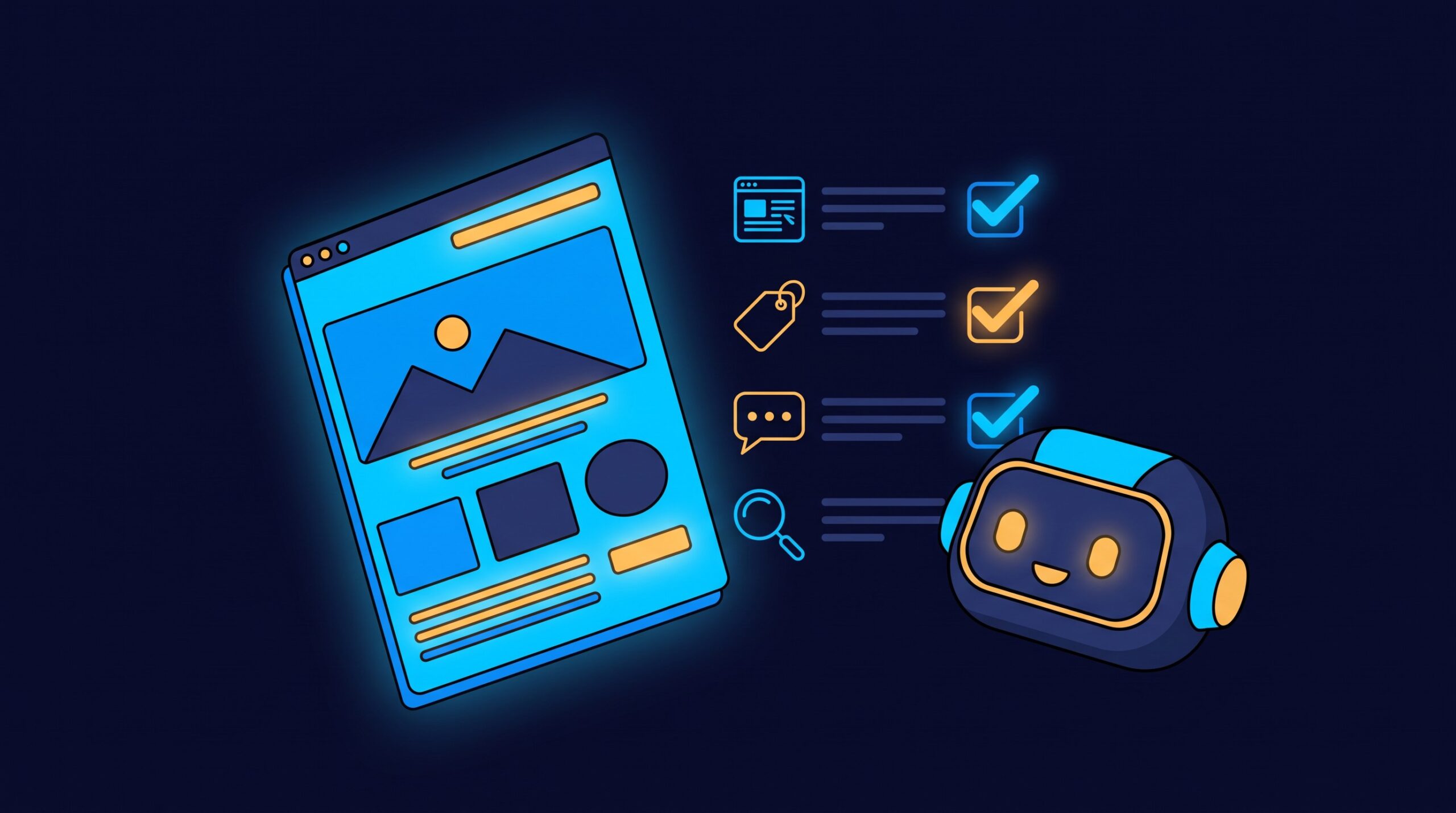
Google’s guidance also points at what actually moves the needle: pages that answer a specific question clearly, use standard structured data (“schema markup that matches the visible text on the page” — nothing AI-specific, just the same markup that’s helped rich results for years), and demonstrate real experience and expertise. In practice, for a local business that means:
- Answer the exact questions your customers ask, in plain language, on your own site. “How much does X cost in Auckland,” “how long does X take,” “what should I look for in an X provider” — these are the questions AI tools are being asked constantly, and they need a source to summarise.
- Keep your Google Business Profile and reviews current. AI answers about local businesses lean heavily on the same trust signals people already use — genuine, recent reviews and consistent business details.
- Use structured data (schema) properly so search engines can read exactly what your page is about, not guess at it.
- Make sure you’re actually indexed and technically sound — the unglamorous basics (site speed, mobile usability, no crawl errors) still gate everything else, AI included.
Separately, Google has started letting searchers pick “Preferred Sources” — publishers and sites a person chooses to see more of in their results. Google reports people have already selected more than 345,000 unique sources this way, and that “people are twice as likely to click through to a Preferred Source.” It’s a small feature today, but it’s a direct signal of where Google is pushing: toward sites people actively trust and return to, not just sites that rank.
Why this matters more, not less, in New Zealand
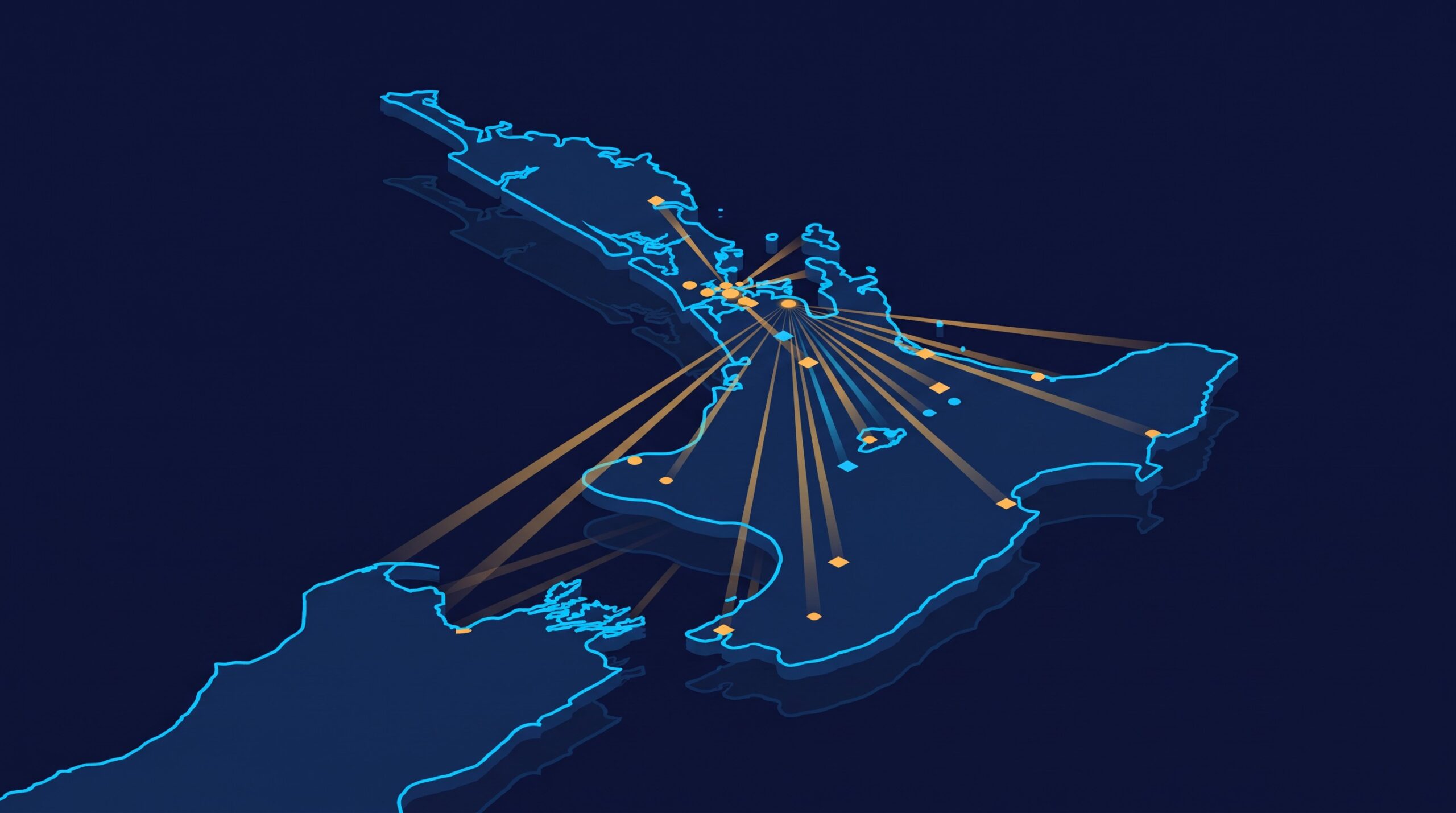
This isn’t a niche shift affecting only a few markets. DataReportal’s Digital 2026: New Zealand report puts internet penetration at 96.2% of the population — 5.06 million people online — with 4.24 million active social media identities. Near-universal connectivity means near-universal exposure to however people are now searching, AI answers included. A shift in search behaviour at this scale doesn’t skip a small, highly-connected market like New Zealand; if anything, it lands here just as fast as anywhere else.
For an Auckland business competing for local trade, that means the customer asking “who’s a good [service] near me” in ChatGPT, Gemini, or an AI Overview is not a hypothetical future customer. Based on the numbers above, they very plausibly already exist, today, in numbers that matter.
What to actually do about it, without a marketing department
You don’t need to rebuild your website or chase a certification. Start with what you can check this week:
- Search the three or four questions your customers actually ask before they buy — see whether an AI Overview appears, and whether any competitor is named in it.
- Check your Google Business Profile is complete, accurate, and has recent, genuine reviews.
- Look at your website’s FAQ or service pages and ask honestly: does this answer a real question in plain words, or does it just describe what you do in agency-speak?
- Confirm your pages are actually indexed in Google Search Console — the most common reason a good business is invisible to AI answers is simply that it was never fully visible to ordinary search either.
This is the same groundwork good SEO has always required — clear answers, technical health, real trust signals — it just now decides whether you show up in one more place a customer looks. If you want a plain-English read on where your own site stands against this, that’s a conversation we’re happy to have before you spend a dollar on anything new.

Frequently asked questions
Do I need to buy special “AI SEO” software or create an llms.txt file?
No. Google’s own official guidance states there are no additional requirements to appear in AI Overviews or AI Mode, and explicitly says creating an llms.txt file “will neither harm nor help” your visibility, because Google Search ignores it. Standard SEO fundamentals apply.
How many people are actually using AI to search instead of Google?
Google reported AI Overviews had over 2.5 billion monthly active users and AI Mode over 1 billion, as of May 2026. Separately, OpenAI reported ChatGPT reached 900 million weekly active users in February 2026. These aren’t small or emerging numbers — they’re mainstream scale.
Has this actually reduced traffic to websites, or is it just a talking point?
It’s measurable. SparkToro’s analysis of US Google search data from January to April 2026 found 68.01% of searches ended with no click to any website, up from 60.45% two years earlier — meaning only 276 of every 1,000 Google searches now send a visitor anywhere.
What should a small NZ business actually do first?
Search the exact questions your customers ask before buying, check whether an AI Overview appears and whether you or a competitor is named, make sure your Google Business Profile and reviews are current, and confirm your pages are properly indexed in Google Search Console.
Is this only relevant to big companies with big marketing budgets?
No — if anything it favours smaller, specific businesses, because AI answers reward clear, specific, genuine answers to real questions over generic corporate copy. New Zealand’s internet penetration sits at 96.2% of the population, so the audience asking AI for a recommendation is effectively the whole market, not a niche segment.
Does this replace the need for good SEO, or add to it?
It adds to it, on the same foundation. Google draws AI Overview and AI Mode answers from its normal search index — there’s no separate “AI index” to optimise for. The work that gets you found in ordinary search (indexed pages, clear content, structured data, real trust signals) is the same work that gets you mentioned in an AI answer.
Sources
- Google, “Google I/O 2026: Sundar Pichai’s opening keynote” (AI Overviews 2.5bn+ monthly active users; AI Mode 1bn+ monthly active users, query volume more than doubling per quarter; Gemini app 900m monthly active users)
- TechCrunch, “ChatGPT reaches 900M weekly active users” (900m weekly active users as of 27 February 2026, up from 800m in October 2025; 50m paying subscribers)
- SparkToro, “In 2026, Less than One Third of Google Searches Still Send a Click” (Similarweb clickstream data, US, Jan–Apr 2026; 68.01% zero-click rate vs 60.45% in 2024; 276 clicks per 1,000 searches reach the open web)
- Google Search Central, “AI features and your website” (official guidance: no special requirements, no llms.txt needed, standard indexing and structured data guidance)
- Google, “New ways to find your favorite sources and original content in AI Search” (Preferred Sources: 345,000+ unique sources selected by users; people twice as likely to click through to a Preferred Source)
- DataReportal, “Digital 2026: New Zealand” (5.06m internet users, 96.2% penetration; 4.24m active social media identities, 80.6% of population)
All figures verified against their primary or directly reporting sources on 26 September 2026.
Want this run for your business?
Talk to our team. We will show you where the money is leaking and what we would do about it.