

You spend a few thousand dollars a month on ads. The phone rings. Somebody books a job. Then your agency’s report lands with a number of “clicks” and “conversions”, and you cannot tell whether the call you took on Tuesday came from the ad, the website, the Google Maps listing or a mate’s recommendation.
That gap is where budgets get wasted, and for businesses that live on phone enquiries it is wider than most owners realise. This post explains, in plain words, how a phone call gets traced back to an ad, what changed on Google this year, and the four questions to put to whoever runs your marketing.
Why phone calls are the hardest enquiry to trace
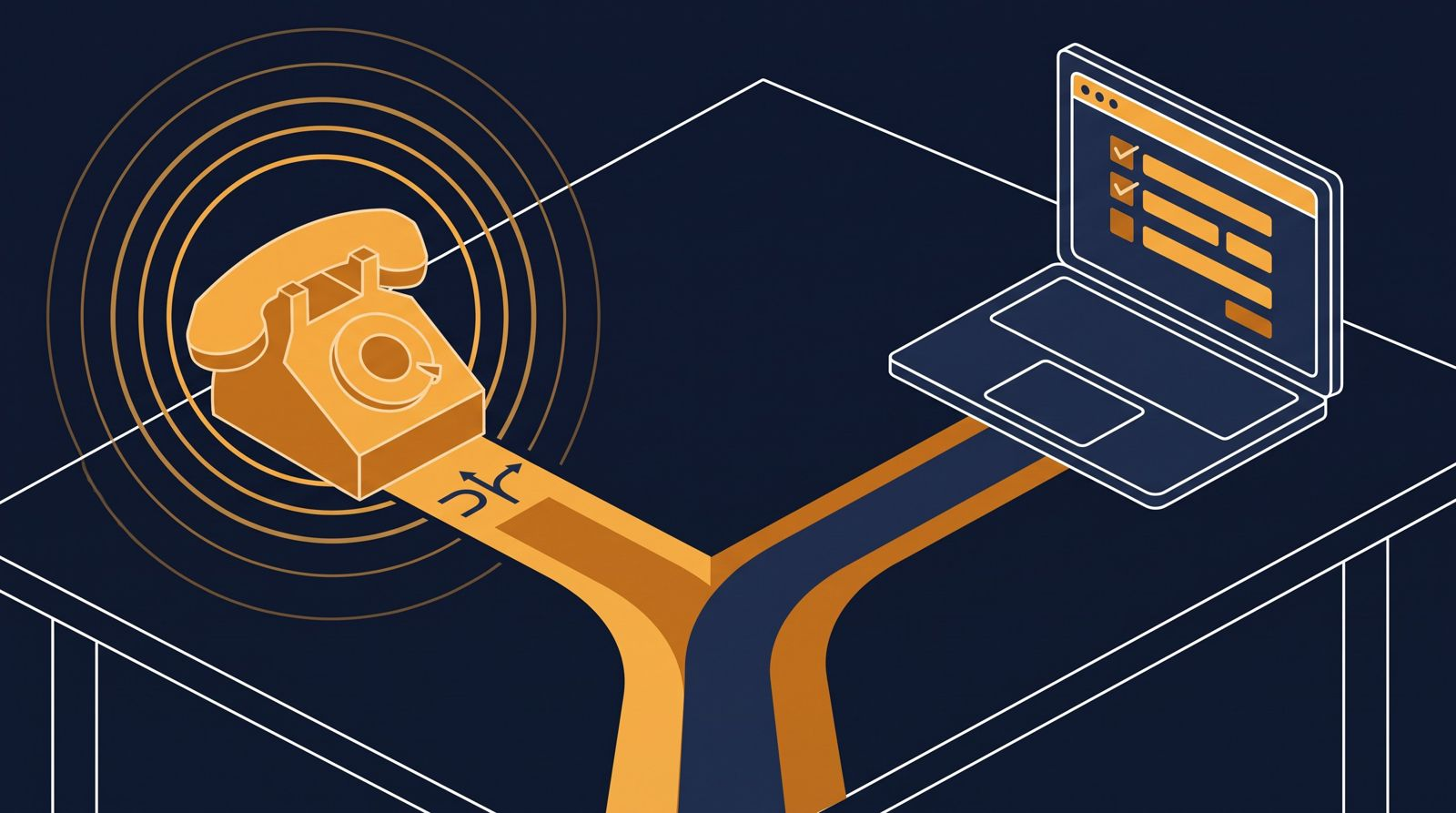
When someone fills in a web form, the website can record where they came from. When they pick up the phone, the trail goes cold. The click happened on a screen, the call happened on a handset, and nothing joins the two unless somebody has set that up on purpose.
Yet calls are often the enquiries you most want. Invoca, a call-analytics vendor, analysed about 70 million phone calls for its Lead Conversion Benchmarks Report 2026, published in July 2026, and reported that 42% of phone leads convert on the call itself. That is a vendor figure from a mostly overseas data set, so treat it as a sign of direction, not a promise for your trade. The point stands: a person who rings is usually close to deciding.
If calls are your best leads and you cannot say which ads produce them, you are steering with the windscreen painted over.
How a call gets tied back to an ad
There are two main methods, and both work on the same idea: give the ad its own phone number, then count calls to that number.
- Calls straight from the ad. On a phone, your Google ad can show a “call” button. Google’s own help pages describe how it counts these as conversions once a call lasts at least a minimum length that you set.
- Calls from your website. A visitor clicks your ad, lands on your site, and rings the number shown there. With call reporting switched on, Google swaps in a Google forwarding number on the page so the call can be linked back to the ad. Google says these website calls can be measured for up to 60 days after the original click.
Both are described in Google’s guides to measuring calls from ads and phone call conversion tracking.
Third-party call-tracking services do the same job for more than just Google, so the same number-per-source approach can separate Google Ads, your Google Business Profile, a brochure and a van sign. They usually charge a monthly fee, so ask for the quote before you agree.
“A call” is not the same as “a good call”
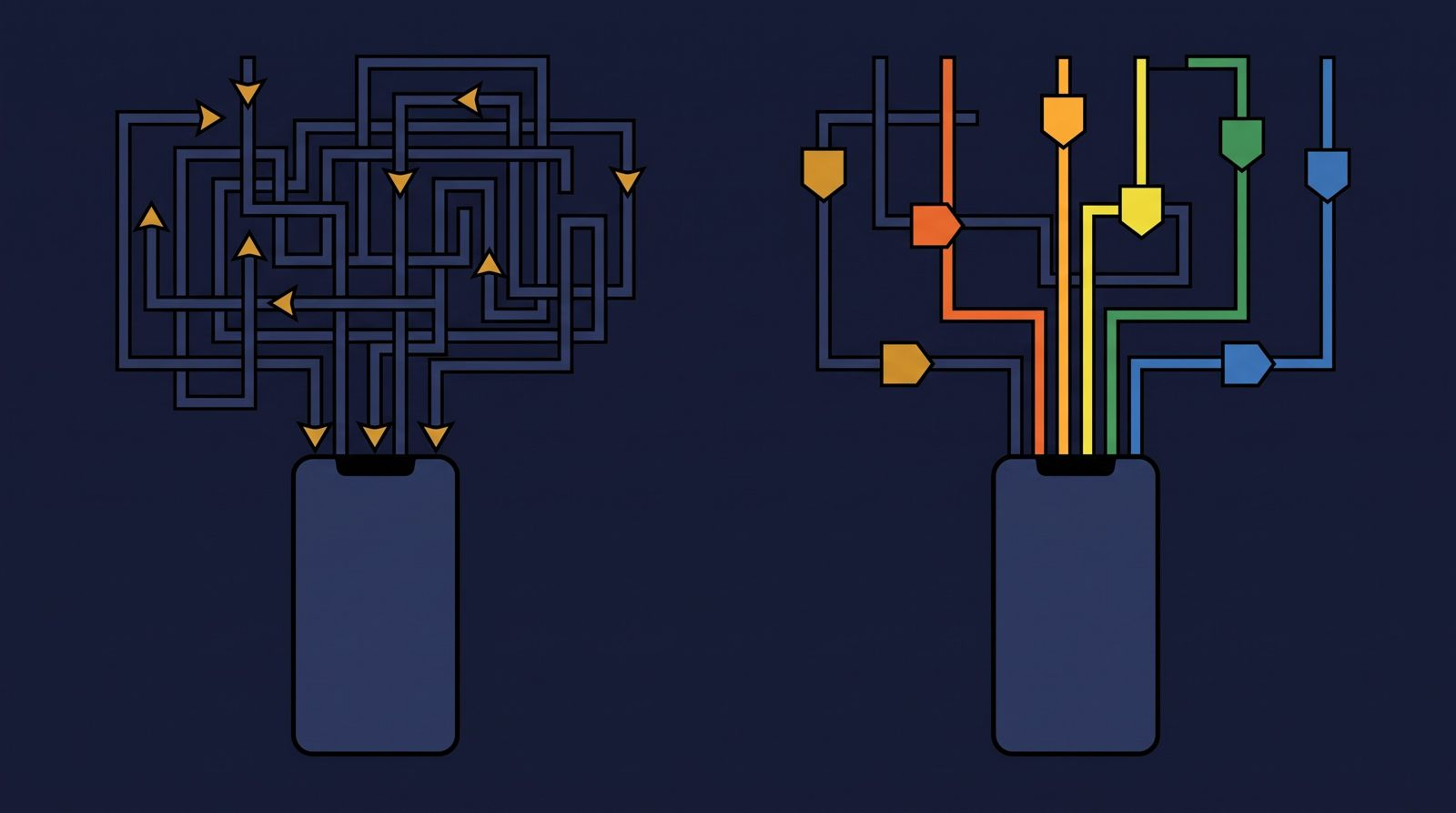
Here is the trap most reports fall into. Google lets you set a minimum call length: it counts a call as a conversion only if it lasts at least as long as that. Google’s own example is that if you set 30 seconds and a call runs 26 seconds, it reports one phone call and zero phone call conversions.
Length is a crude filter. A two-minute call from someone asking for a job you do not do counts. A twenty-second call from a customer who just needed your address does not. That is one reason to ask what your agency counted, and why.
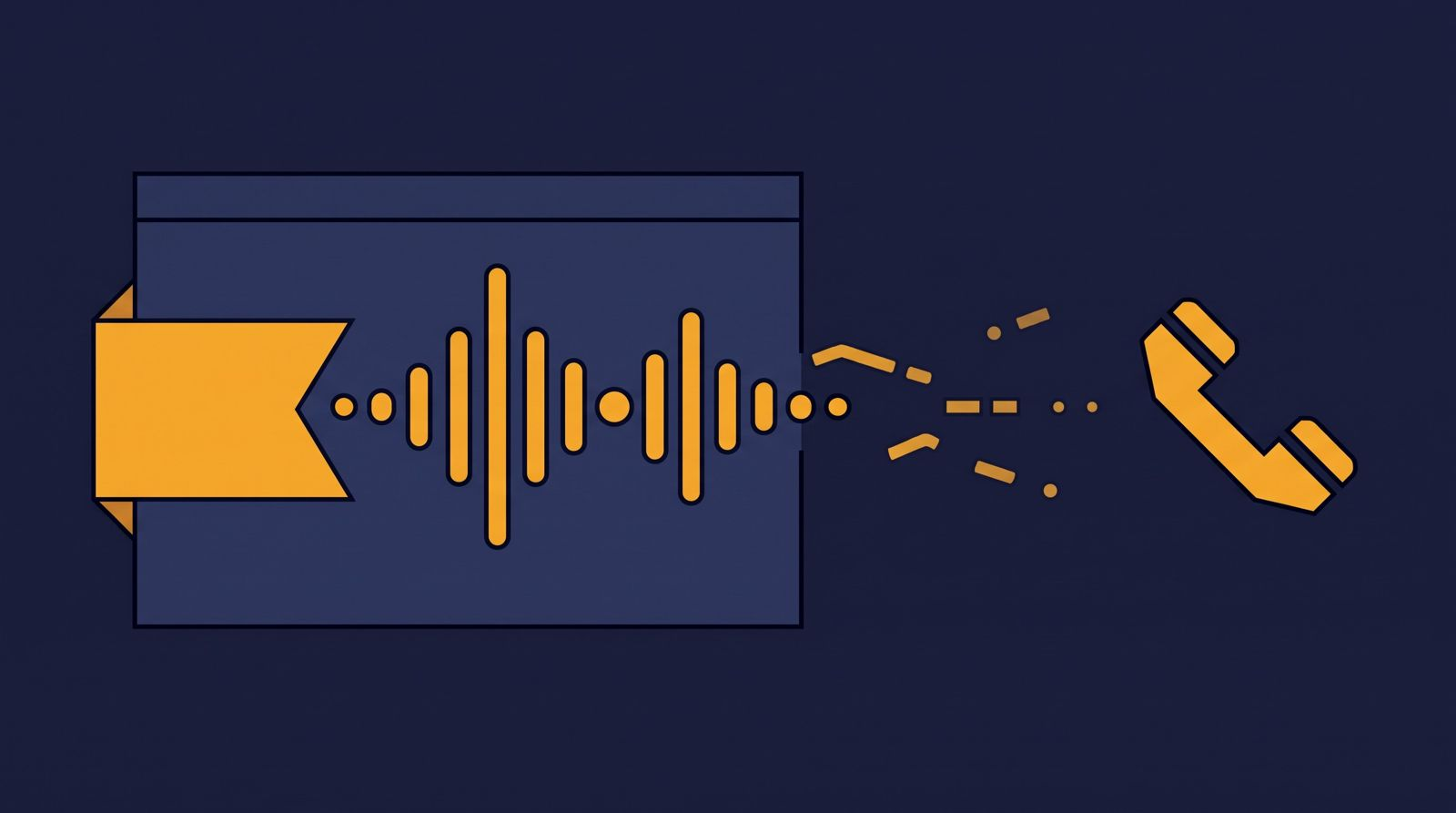
Google has been moving beyond call length. Its help documentation now describes AI analysis of call recordings to judge lead quality, with call duration used as the fallback and ad interaction data as a last resort. The same page says the call recording feature is currently limited to calls where both parties are in the U.S. or Canada. On that wording, do not assume a New Zealand business gets the AI scoring. Ask your agency what is actually switched on in your account.

What changed on Google in 2026 (and whether you should care)
The relevant change is about privacy consent. Invoca’s write-up of Google’s June 2026 privacy update reports that from 15 June 2026 a single setting, ad_storage, becomes the sole authority over whether advertising data is collected. In plain words: it is the “allow advertising cookies” choice a visitor makes on your website’s cookie banner.
The consequence, as Invoca puts it, is that if a visitor denies that consent and then calls your business after seeing the ad, Google Ads can no longer link the call back to the ad they clicked. This is a vendor’s reading of Google’s change, so ask your own agency to confirm how it affects your account.
What it means for you: your reported call numbers can undercount. The calls still come in. The phone still rings. The credit for them goes missing from the report, and if your ads are set to optimise automatically towards calls, the system learns from an incomplete picture. A drop in reported calls after mid-June is therefore not automatically a drop in real calls.
Invoca’s article also lists two related timeline points worth knowing if you use “call-only” ads: no new ones could be created from February 2026, and existing ones stop serving in February 2027. If your agency still relies on them, ask what the replacement plan is.
Cheap ways to check your own numbers this week
You do not need software to sanity-check what you are being told.
- Ask new callers. Put “How did you hear about us?” on the script for whoever answers. Write the answer in a shared sheet. It is low-tech and it catches the calls the tracking misses.
- Compare against the phone bill or call log. If the report says 12 calls and your mobile shows 30 enquiries from unknown numbers that month, the gap is a conversation to have.
- Look at timing. Pause a campaign for a short, agreed window (with your agency’s agreement) and see whether calls drop. It is blunt, but it is real evidence.
- Follow one enquiry to the invoice. Pick five recent jobs and trace them from first contact to payment. That shows you which sources make money, not just noise.
None of these is precise. Together they tell you whether the tracking numbers are roughly telling the truth.
Four questions to ask your agency
- “Are calls tracked at all, and how?” You want to hear about call reporting or dedicated tracking numbers, not “we look at clicks”.
- “What counts as a conversion?” A minimum call length is fine, but you should know what it is and be able to change it.
- “What share of calls can’t be attributed after the June 2026 change?” A good agency will have looked. A vague answer is your warning.
- “Can you show calls that became jobs?” This is the number that pays your bills. It usually needs you to feed sales back to the agency, and it is worth the effort.
Two more basics. You should own your ad account and your tracking, so that if you part ways you keep the history. And the report should be readable by you without a glossary.
What it costs, and how long until you know
Tracking is not usually a separate project. At BeyondClix, call and form tracking is part of setting up a campaign, and our published plans start with Starter at $500 setup plus $500 a month, managing up to $1,500 of monthly ad spend on a 12-month minimum, and Established at $1,000 setup plus $1,000 a month, managing up to $2,500 a month on a six-month minimum. Ad spend goes straight to Google on your own billing. See the pricing plans page for detail. Any third-party call-tracking tool would be an extra monthly cost, quoted separately.
How long until you know which ads are working? Expect the first useful pattern after several weeks of calls, not days. A handful of calls tells you almost nothing. That is why a clean tracking set-up on day one matters more than a clever campaign.

How BeyondClix helps
We set up call and form tracking before we spend a dollar, check it with test calls, and report in plain English: enquiries, jobs won and cost per job. That sits across our Google Ads, analytics and tracking, and website services. If you want a straight answer on which of your current ads are ringing the phone, get in touch and we will review your set-up with you.
Frequently asked questions
How do I know which ad made my phone ring?
Use call tracking. Google Ads can count calls from your ads and from a number on your website, and third-party services can give each source its own number. Pair that with asking every caller how they found you.
Why are my reported Google Ads calls lower than the calls I actually get?
Some calls cannot be linked to an ad. Callers may use a different number than the tracked one, call outside the tracking window, or decline advertising cookies. Invoca reports that from 15 June 2026 declined consent stops Google linking such calls to ads.
What is a good minimum call length to count as a conversion?
There is no universal figure. Google lets you set your own. Choose one that filters out wrong numbers and quick questions for your business, and review it after a month of real calls.
Does Google record my calls to judge quality?
Google’s help page describes AI analysis of call recordings, but says the recording feature is currently limited to calls where both parties are in the U.S. or Canada. Check with your agency what applies to your New Zealand account.
Do I need a separate call tracking tool?
Not always. Google’s built-in call reporting covers Google Ads. A separate tool helps if you also want to compare other sources such as your Google Business Profile, print or vehicle signage. It is usually a monthly fee.
Sources
- Google Ads Help: Measure calls from ads
- Google Ads Help: About phone call conversion tracking
- Invoca: How Google’s June 2026 privacy update will affect phone call conversion attribution
- Invoca: Lead Conversion Benchmarks Report 2026
Invoca is a call-analytics vendor. Its figures and its reading of Google’s changes are attributed as such and are not New Zealand-specific.
Want this run for your business?
Talk to our team. We will show you where the money is leaking and what we would do about it.