

A visitor spends ten minutes on your website. They look at your best-selling product, or your quote page, or your pricing. Then they leave without buying or calling, and you never hear from them again. Most owners shrug and call that normal. It is normal. It is also the most expensive leak in your marketing, because you paid to get that person there.
Email remarketing is the plain-English fix: sending a short, well-timed email to someone who already showed interest in what you sell. This guide explains how it works, what a sensible setup looks like, the New Zealand rules you must follow, and what to ask before you pay anyone to run it.
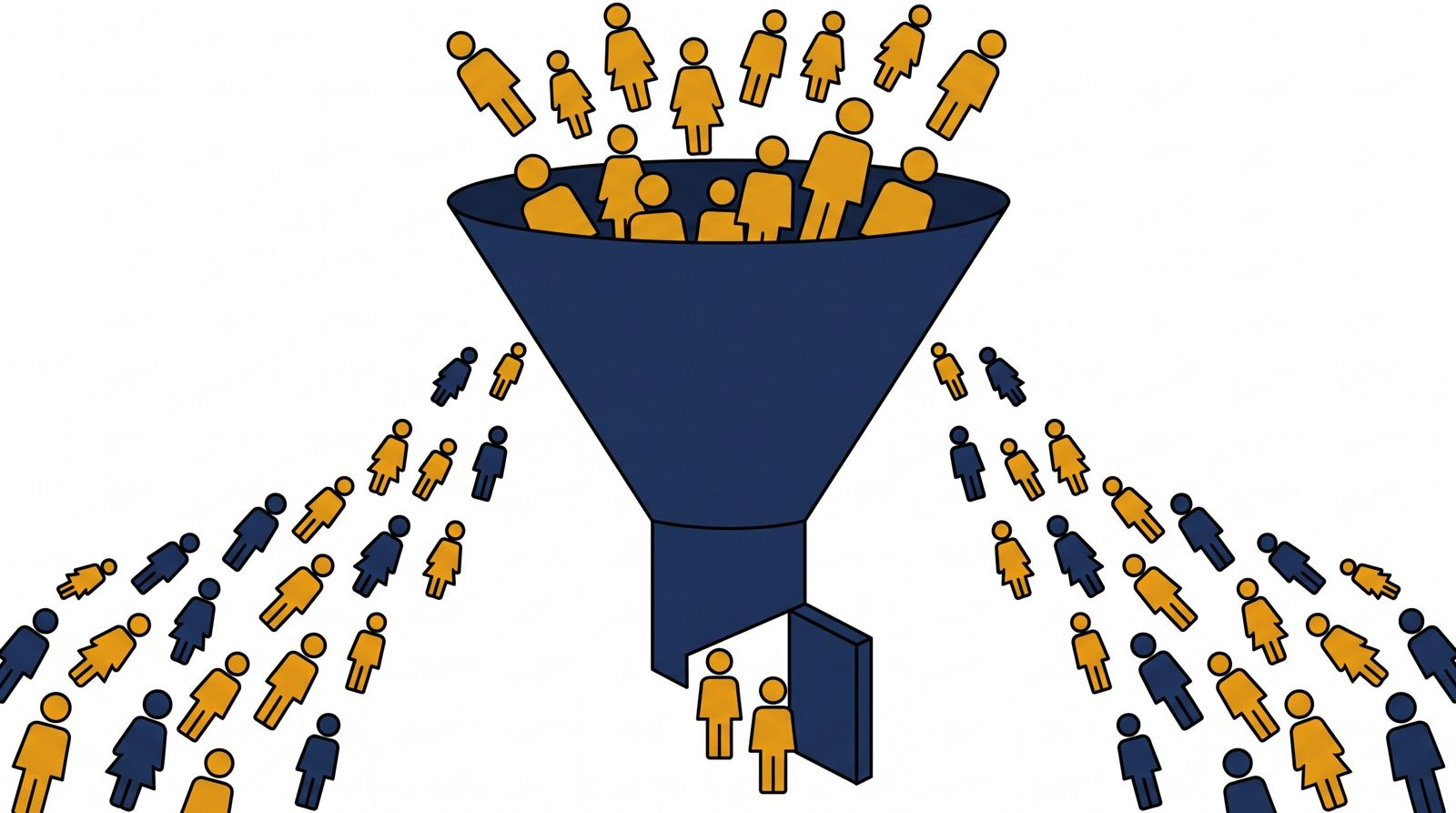
Why most visitors leave without buying
It is not a sign something is broken on your site. The Baymard Institute, an independent research firm that has collected 50 studies on the topic, puts the average online shopping cart abandonment rate at 70.22% (page updated September 2025). That is the share of shoppers who added something to a cart and then left. It is US-centred data, but the pattern holds for most online stores.
Baymard also asked shoppers why they left. The biggest fixable reasons were extra costs such as shipping and fees (40%), slow delivery (20%), not trusting the site with card details (19%) and being forced to create an account (18%). Many people were simply “just browsing”, and no email will change that.
Service businesses have the same leak with a different shape. Someone reads your electrical, legal or renovation page, thinks “I will do it later”, and later never comes.
What email remarketing actually is
You may know remarketing as the ads that seem to follow you around the internet. Email remarketing does the same job in the inbox, and it has one big advantage: it only works on people who have given you their email address. That makes the audience smaller but warmer.
The common triggers are:
- Abandoned cart. Someone added a product and left.
- Abandoned quote or form. Someone started an enquiry and did not finish.
- Browsed but did not buy. Someone viewed a product or service page more than once.
- Past customers. Someone bought months ago and may need a refill, a service or an upgrade.
- Quiet leads. Someone enquired, got a quote and went silent.
Each trigger sets off an automatic message, so nobody has to remember to send it. You write and approve the emails once, and the system sends them when the situation happens.
What a sensible setup looks like
Restraint beats volume. The setups that work are usually short, specific and easy to switch off.
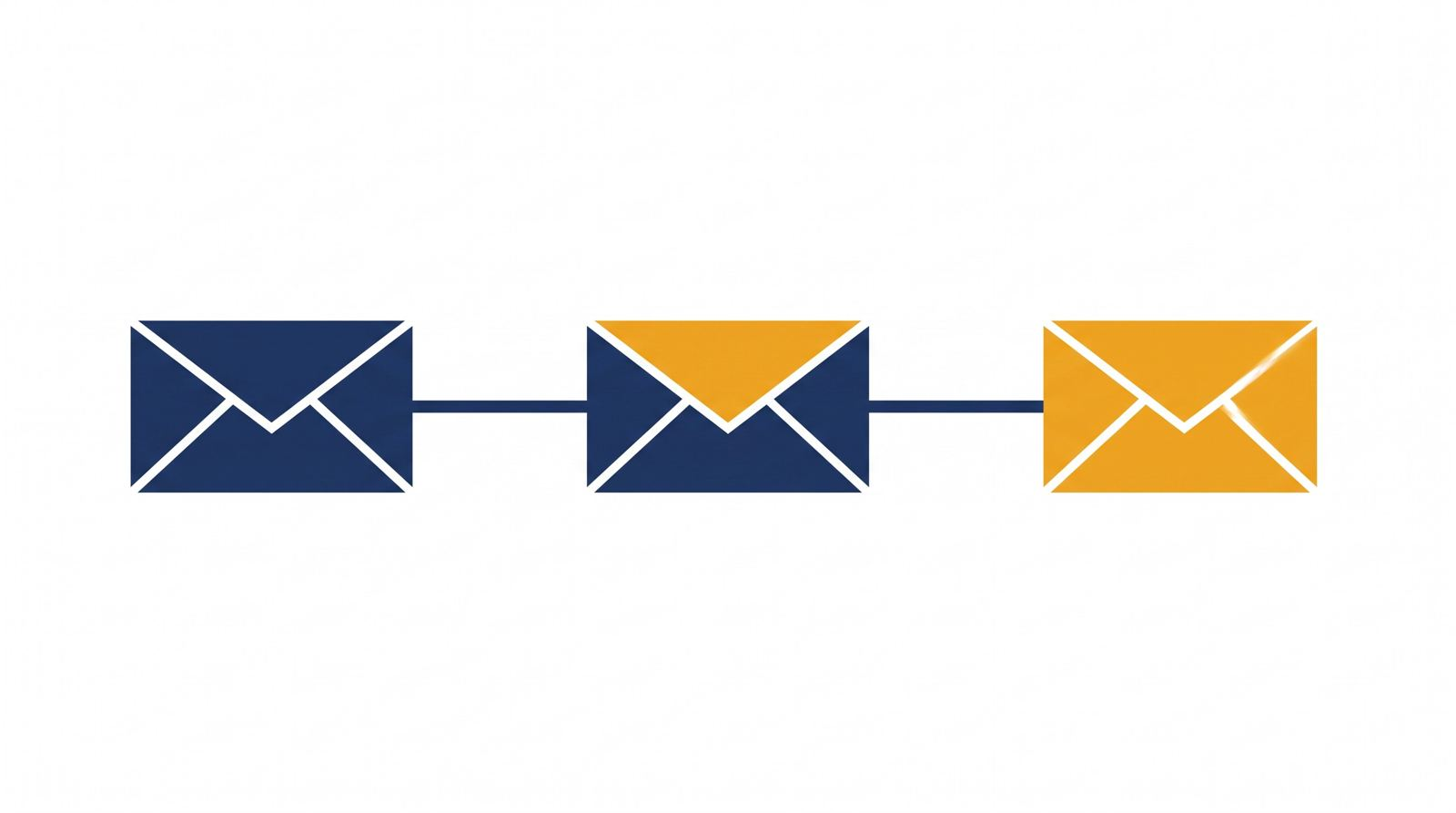
1. Remind, then help, then offer
A typical three-step sequence runs something like this. The first email goes out within hours and simply reminds the person what they left behind. The second, a day or two later, answers the likely worry: delivery times, returns, how the quote process works. The third, a few days on, may add a small incentive if your margins allow it. Many businesses do well with no discount at all if the second email removes the doubt.
2. Match the message to what they did
Someone who looked at a specific product should see that product. Someone who abandoned a quote form should hear from a real person, not a promotion. A generic “we miss you” email is the weakest version of this.
3. Fix the cause, not just the symptom
If 40% of your leavers cite surprise shipping costs, no email sequence beats showing the total earlier in the checkout. Good email remarketing exposes these leaks, and a good agency tells you about them rather than papering over them with discounts.
4. Stop when they act
Once someone buys or books, the sequence should stop. Sending “you forgot something” to a person who already paid is the quickest way to lose trust.

The New Zealand rules you cannot skip
New Zealand has a specific law for marketing emails, the Unsolicited Electronic Messages Act 2007, enforced by the Department of Internal Affairs. The Department’s three-step summary is worth reading in full. In short, every commercial message needs:
- Consent. You may send only with express, inferred or deemed consent. Express means they asked. Inferred comes from an existing relationship, such as a customer who bought from you. Deemed applies when someone publishes their work address publicly with no “no marketing” notice.
- Clear identification. The message must say who you are and how to contact you.
- A working unsubscribe. Someone must be able to stop receiving messages and withdraw consent.
The DIA’s spam FAQ adds detail that trips businesses up: the unsubscribe facility must be clear and conspicuous, free, and likely to keep working for at least 30 days after the message is sent. You must action unsubscribe requests within five working days.
The practical takeaway: do not buy email lists, do not email people who gave you their address for something unrelated, and make unsubscribing painless. If your agency is vague on any of that, find someone who is not. This is general information, not legal advice, so check your own situation with a lawyer if you are unsure.
How email works alongside your Google Ads
If you also run Google Ads, your email list can do double duty. Google’s Customer Match feature lets you use your own customer data to reach people on Search, Shopping, Gmail, YouTube and Display. Google says a list needs at least 100 members added or updated in the last 540 days to stay eligible, and members expire after that window. So a list that is current and consented is an asset in two channels, and a stale one is useless in both.
That is also why we treat email as part of a wider setup rather than a standalone trick. Visitors arrive through Google Ads or SEO, the enquiry and email address are captured, and the email sequence picks up the people who did not act at once.
What it costs and how long it takes
Email remarketing is cheaper than most channels to run, because you are not paying for the click again. The main costs are the email platform (usually a monthly fee that grows with the size of your list), the one-off setup and copywriting, and your agency’s management time. Ask for these as separate lines so you can see what you are paying for. Our pricing plans set out what is included at each level.
Setup typically takes a few weeks: connecting your website or CRM to the email platform, building the sequences, and testing them. You can expect to see the first recovered sales or revived leads in the first month or two, once there is enough traffic through the sequence to measure. If your site gets only a handful of visits a week, say so up front. There may not be enough volume yet, and traffic is the better place to spend first.
How to know it is working
Ask for three numbers every month:
- Revenue or enquiries attributed to the emails, not just opens and clicks. Open rates say little now that many email apps load images automatically.
- Unsubscribe and spam-complaint rates. A rise means the emails are too frequent or poorly targeted.
- List growth. A list that is not growing is a list that is ageing out.
Four questions to ask your agency
- Where did the addresses on my list come from, and can you show the consent?
- Which triggers will you set up first, and why those?
- How will you report revenue or enquiries from email, separately from other channels?
- Who owns the email platform account and the list if we part ways?
Where to start
You do not need a complicated programme. Begin with one trigger, the one closest to the money: abandoned carts if you sell online, unfinished quote forms if you sell services. Get it running, measure it for a few weeks, then add the next. If you want a straight assessment of where your visitors are leaking and whether email is the right first fix, talk to us about email and CRM. We will tell you honestly if something else should come first.
Frequently asked questions
What is email remarketing?
Automatic emails sent to people who showed interest in your business but did not buy or enquire, such as someone who left items in a cart or started a quote form.
Is email remarketing legal in New Zealand?
Yes, if you follow the Unsolicited Electronic Messages Act 2007. You need consent, clear sender identification and a working unsubscribe in every commercial message.
How many emails should an abandoned cart sequence have?
Three well-spaced emails is a sensible starting point: a reminder, a message that answers common worries, and an optional final nudge. More than that risks annoying people.
Do I need to offer a discount?
Not necessarily. Many shoppers leave over delivery cost, trust or checkout friction, so fixing those can work better than discounting and protects your margin.
How is it different from retargeting ads?
Retargeting ads reach anonymous visitors on other websites and apps. Email remarketing reaches people who have given you their address, so the audience is smaller but warmer.
Sources
- Baymard Institute: Cart Abandonment Rate Statistics
- NZ Department of Internal Affairs: Spam, three steps
- NZ Department of Internal Affairs: Spam FAQ
- Google Ads Help: About Customer Match
Baymard’s figures are largely US shopper data, not New Zealand-specific.
Want this run for your business?
Talk to our team. We will show you where the money is leaking and what we would do about it.