

Your phone rings at 7:40 on a Tuesday morning. It’s a customer in Papakura asking if you can fix a leak today. You’re a plumber based in Manukau. Half an hour later, another call: someone in Hamilton who saw your ad while visiting family. They want a quote you can’t give, and you’ve just paid Google for the click.
That is the quiet problem with Google Ads in South Auckland. The area is large, fast-growing and very mixed, and a campaign set up the way most people set one up pays for the wrong clicks as often as the right ones. This guide explains how Google Ads works for a South Auckland business, where the money leaks, and how you’d know it’s working.
South Auckland is not one market
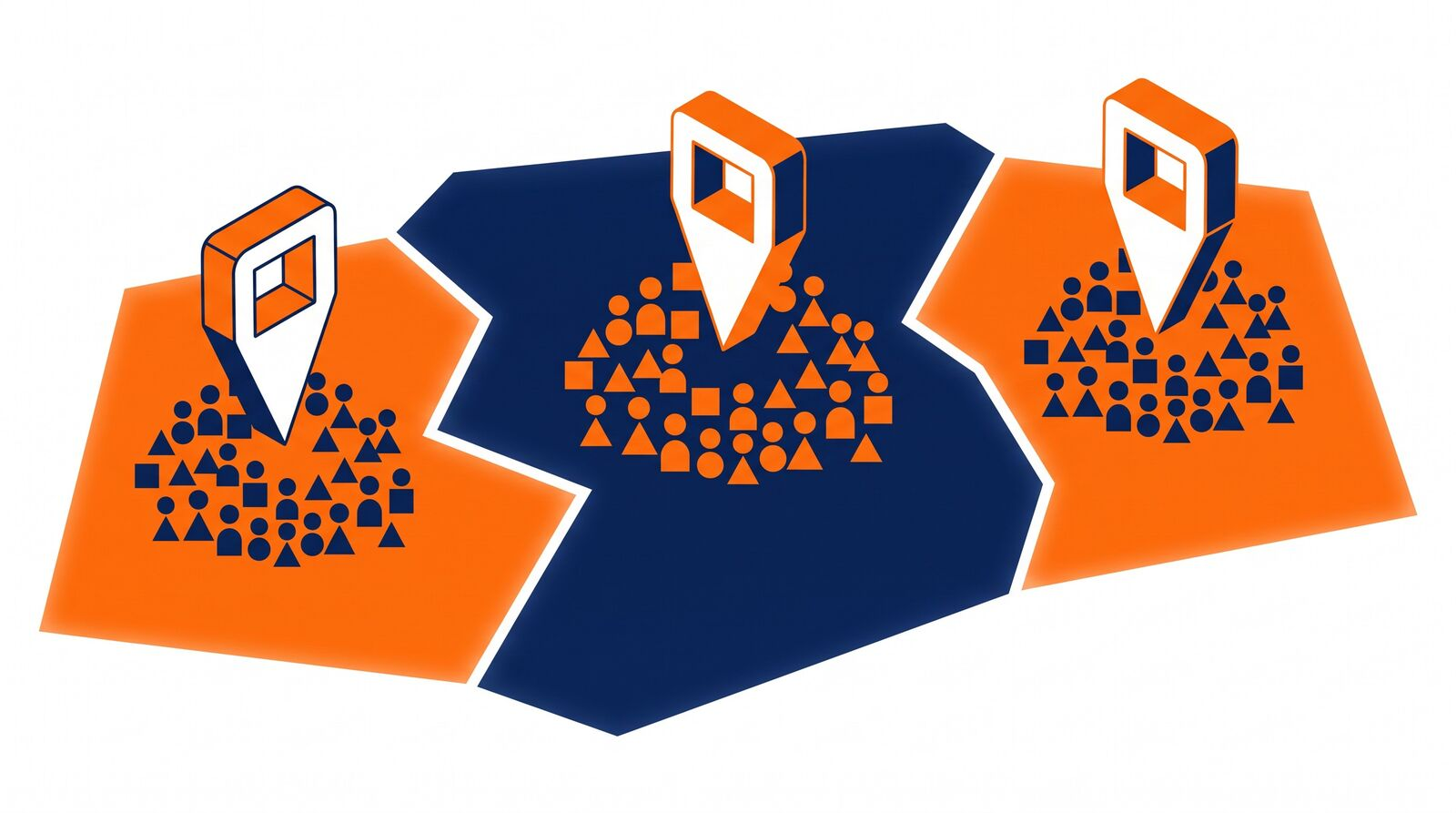
Start with the people your ads will reach. Two of the area’s local boards show how different neighbouring markets can be. The 2023 Census counted 86,949 usual residents in the Ōtara-Papatoetoe Local Board area, up just 2.1% since 2018. 48.7% identified as Pacific Peoples (against 16.6% across Auckland), and 58.3% of dwellings were mainly rented. Nearly one in four residents (23.5%) was under 15 (Auckland Council, Ōtara-Papatoetoe 2023 Census summary).
Papakura looks nothing like it. The same census counted 72,318 usual residents, up 25.5% in five years, the second-highest growth of any Auckland local board. Occupied dwellings rose 26.4% to 21,615, and 24.6% of residents identified as Māori against 12.3% across Auckland (Auckland Council, Papakura 2023 Census summary).
What this means for an advertiser: one board is stable and dense, the other is full of new households that haven’t picked a plumber, electrician or accountant yet. A new household is the best customer a search ad can find, because they have no existing supplier and they search the moment they need something. The ad copy, the landing page and even the language people expect can differ from one side of the area to the other.
What Google Ads actually does for you
Google Ads puts your business at the top of the results when someone types what they want, such as “emergency plumber Papakura” or “forklift hire Wiri”. You pay when someone clicks, not when your ad is shown. There is no waiting for rankings to build, which is why it suits a business that needs the phone to ring this month.
The cost to you has two parts: what you pay Google for clicks, and what you pay an agency to run the account. Our published plans are on the pricing page, with ad spend paid by you directly to Google. Anyone who quotes you without separating those two numbers is hiding something.
Leak one: you’re paying for people who aren’t in South Auckland
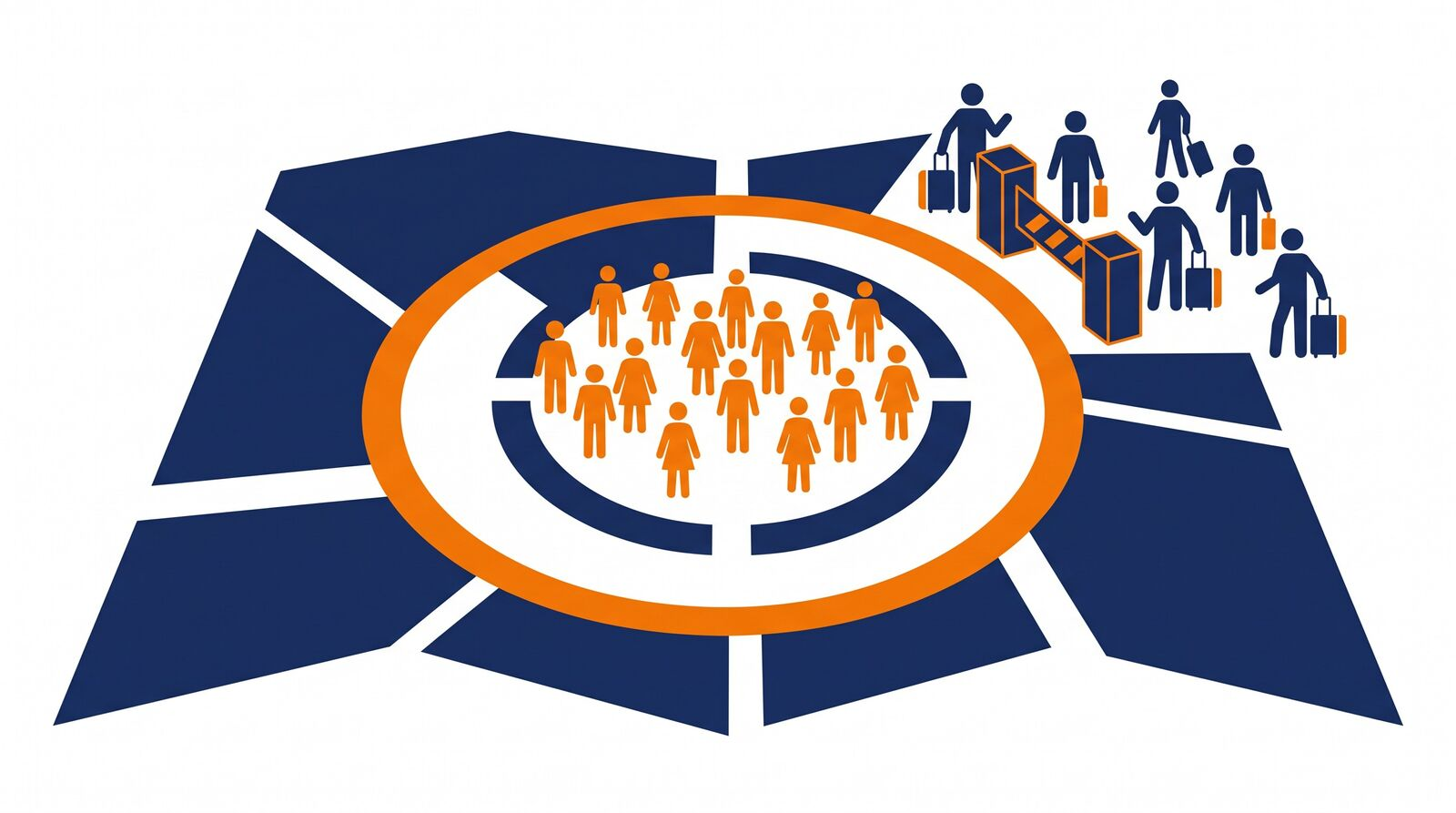
Here is the setting that catches local businesses out. Google’s own help page says that by default, location targeting includes both people physically in your chosen area and people who have shown interest in it. Google’s own wording: location options let you include people based on “where they’re likely to be located or regularly located” and “the places that they’ve shown interest in” (Google Ads Help, About advanced location options).
That default suits a hotel or an airline. It is a poor fit for a South Auckland tradie who only drives to Manurewa, Papakura and Takanini. Someone in Hamilton searching about Papakura can trigger your ad. Google reports that advertisers in travel, real estate and education saw about 5% more conversions after switching to the broader setting (this is Google’s own figure, from its internal data, and it covers those three industries, not trades). For a local service business, the sensible approach is to test the tighter setting and check the numbers rather than accept the default.
Leak two: one campaign for the whole area
“South Auckland” is a label, not a customer. A removals firm covering Papatoetoe and Papakura is serving two different buyers: a renter moving across the same suburb and a family settling into a new build. A single campaign with one headline treats them the same and averages out the results, which hides where the money is going.
The fix is structure. Separate the suburbs you genuinely serve and give each its own ads and landing page that mention the suburb and the service. When you review the results, the numbers tell you where your best customers live. Some suburbs will earn their budget, others will not, and you can only see the difference if they are measured apart.
Leak three: counting clicks instead of calls
A click is not a customer. For most South Auckland service businesses the real result is a phone call or a form enquiry. If your agency’s report leads with impressions and clicks, ask for calls, enquiries and cost per enquiry instead.
Ask these three questions of whoever runs your account:
- How many calls and form enquiries came from the ads last month?
- What did each one cost?
- Which suburbs and search phrases produced them?
If they can’t answer within a day, the tracking probably isn’t set up properly. Our guide to knowing which ads made the phone ring covers how to check.

How long, and what to expect
Google Ads can produce enquiries within days of launch, but the first month is for learning. Google needs data on which searches and suburbs convert before the account settles. Plan for two to three months before judging the cost per enquiry fairly. That is why our plans carry minimum terms: ending a campaign after four weeks throws away the learning you paid for.

Where to start
- Write down the suburbs you will drive to. If you won’t go there, exclude them.
- Check the location setting on every campaign. Know whether you’re paying for people outside your area.
- Make sure calls are tracked. You should be able to see which ad produced which phone call.
- Send each suburb to a page that names it. A Papakura searcher should land on a page about Papakura.
- Review monthly on enquiries and cost per enquiry, not clicks.
If you’d like a second pair of eyes on an existing account, or want a campaign built around the suburbs you actually serve, see our Google Ads services or get in touch for a free review.
Frequently asked questions
How much should a South Auckland business spend on Google Ads?
It depends on how many enquiries you can handle and what a customer is worth to you. Start from the value of one job, decide how many enquiries you want per month, and work backwards. Our plans cover different ad spend ranges and are listed on our pricing page.
Can I stop my ads showing outside South Auckland?
You can narrow where your ads appear and exclude areas you don’t serve. Google’s default includes people who show interest in a location, so check the location setting and review the locations report to see where clicks really come from.
Is Google Ads better than SEO for a local business?
They do different jobs. Ads bring enquiries quickly and cost per click. SEO is slower but builds free visibility over time. Many local businesses use ads now and SEO alongside them.
How long before I see results?
Enquiries can start within days, but allow two to three months before judging cost per enquiry, because the account needs time to learn which searches and suburbs convert.
What should I ask an agency before signing?
Ask how they’ll track calls, which suburbs they’ll target, how often you’ll get reports, and whether you own the ad account. See our guide to choosing a marketing agency.
Sources
- Auckland Council: Ōtara-Papatoetoe Local Board, 2023 Census results
- Auckland Council: Papakura Local Board, 2023 Census results
- Google Ads Help: About advanced location options (vendor documentation; the 5% conversion figure is Google’s own internal data)
Want this run for your business?
Talk to our team. We will show you where the money is leaking and what we would do about it.